Building a Seasonal Picnic Basket for Wellington West Parks

The Art of the Perfect Outdoor Meal
This guide details how to assemble a high-quality, seasonal picnic basket tailored for the parks and green spaces around Wellington West. You'll learn how to select the right gear, choose weather-appropriate food, and pack your supplies to ensure your meal stays fresh and your comfort remains high regardless of the temperature.
Picnics in our neighborhood aren't just about food; they're about the experience of being outside. Whether you're setting up near the water or in one of the smaller neighborhood green pockets, the quality of your setup dictates how much you actually enjoy your time. A poorly packed basket leads to soggy sandwiches and lukewarm drinks—and nobody wants that.
What Gear Do I Need for a Wellington West Picnic?
A successful picnic requires a mix of durable containers, temperature-controlled insulation, and comfortable seating.
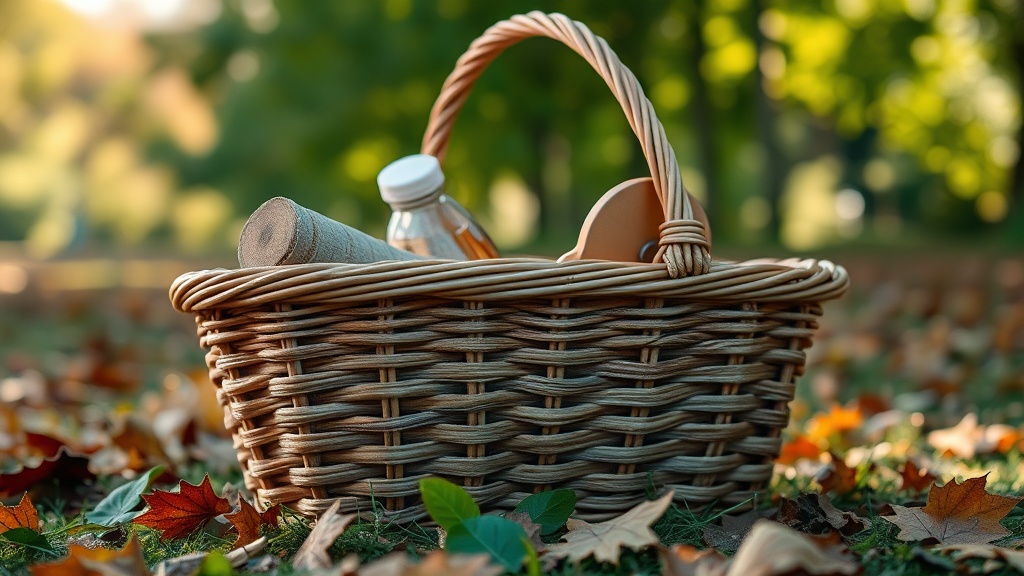
First, don't overlook the importance of a sturdy base. If you're walking from a local shop to a nearby park, you don't want a flimsy bag that collapses. I personally recommend a heavy-duty canvas bag or a structured wicker basket if you're feeling traditional.
Temperature control is the real MVP here. If you're heading out on a humid July afternoon, you need more than just a standard cooler bag. Look for something with high-density foam insulation. If you want to get serious, a YETI Hopper is a top-tier option for keeping ice frozen for hours, though a standard REI soft-sided cooler works just as well for a two-hour lunch.
Here is a quick checklist of the hardware you should have on hand:
- Insulated Cooler Bag: Essential for keeping perishables safe.
- Reusable Water Bottles: Glass or stainless steel (like a Hydro Flask) keeps water colder longer than plastic.
- Biodegradable Plates and Cutlery: Avoid single-use plastics to keep our local parks clean.
- A Waterproof Picnic Blanket: Look for one with a nylon or polyester backing to block damp grass.
- Wet Wipes and Hand Sanitizer: Essential for cleaning hands before eating.
Don't forget the seating. A simple blanket is fine, but if you're planning a long afternoon, a lightweight, foldable camping chair makes a huge difference. It's much easier on your back than sitting on the ground for two hours.
What Food Stays Fresh Outdoors?
The best picnic foods are those that are structurally sound and don't rely heavily on melting dairy or extremely delicate textures.
When I'm planning a meal for the park, I avoid anything that wilts. A salad with a heavy vinaigrette will turn into a soggy mess within twenty minutes. Instead, go for grain-based salads or hearty vegetables. A quinoa salad with chickpeas or a pasta salad with sun-dried tomatoes holds its shape and texture much better than a leafy green salad.
Proteins are also a consideration. If you're bringing cheese, opt for hard varieties like aged cheddar or manchego. Soft cheeses like brie are delicious, but they tend to turn into a puddle if they aren't kept directly against an ice pack.
For a more detailed look at seasonal ingredients and how to prepare them, you can check out the CBC Food section for recipe inspiration that fits the Canadian climate.
I've put together a quick comparison of "Safe" vs. "Risky" foods to help you plan your menu:
| Food Category | Safe (Stays Great) | Risky (Wilts or Melts) |
|---|---|---|
| Bread | Baguettes, Sourdough, Tortillas | Soft White Bread (gets soggy) |
| Fruit | Apples, Grapes, Berries (in a container) | Sliced Peaches or Melons (get mushy) |
| Proteins | Hard Cheeses, Salami, Cured Meats | Soft Brie, Mayo-heavy Salads |
| Vegetables | Carrots, Cucumbers, Bell Peppers | Spinach, Arugula, Delicate Greens |
One thing to keep in mind: if you're bringing something with a lot of moisture, like watermelon, keep it in a sealed container. The juice can easily leak out and ruin your other supplies. It's a small detail, but it matters.
How Do I Pack My Basket for Maximum Freshness?
Pack your heaviest and most stable items at the bottom, placing your cold items and ice packs in direct contact with your perishables.
The order of operations is everything. If you just throw things in a bag, you'll end up with a crushed sandwich and a warm soda. It's a mess.
- The Foundation: Start with your heavy, non-perishable items like your blanket, water bottles, and heavy-duty containers.
- The Cooling Layer: Place your ice packs or frozen water bottles next to your most sensitive items (meats, cheeses, or dairy).
- The Middle Layer: Add your bread, fruit, and sturdier vegetables.
- The Top Layer: Place your delicate items—like your fresh salads or soft fruits—on the very top so they don't get crushed.
A pro tip: use frozen water bottles as your ice packs. As they melt, you have ice-cold water to drink later. It's a two-for-one win that saves space in your bag. It's also a great way to reduce weight if you're walking a long distance to your favorite spot. If you're looking for great spots to enjoy this meal, check out this local map to the best waterfront walks.
Also, keep an eye on the wind. If you're near the water, it can get breezy. I always pack a few heavy stones or even a reusable weight to keep my napkins from flying away the moment I open the basket. It's a small thing, but it saves a lot of frustration.
What Should I Drink?
Beverage choice depends entirely on the vibe of your outing—whether it's a quiet solo reading session or a social gathering with friends.
If you're looking for something refreshing, sparkling water is a classic. However, if you want to level up, try infusing your water beforehand with cucumber or mint. It feels much more sophisticated than just plain water.
For those enjoying a more celebratory afternoon, a chilled rosé or a crisp cider is a great choice. Just remember that glass can be heavy and fragile. If you're walking through the park, a high-quality stainless steel tumbler is much safer than a glass cup. It keeps the drink cold and won't shatter if you accidentally knock it over on a rock.
The weather in Ontario can be unpredictable. One minute it's sunny, the next a cloud rolls in and the temperature drops. I always pack one extra layer—even if it's just a light linen shirt or a light sweater. You'll be glad you did when the sun dips behind the trees.
If you're out exploring the local shops before your picnic, you might want to check out these independent boutiques in Wellington West to find some unique glassware or high-end snacks to round out your meal. It's a great way to support the neighborhood while prepping for your outing.
It's worth noting that if you're planning a larger group, you'll want to consider the weight of your basket. A single person can carry a heavy bag, but a group of four carrying one large, heavy cooler can quickly become an ordeal. Distribute the weight among a few smaller bags if you're walking.
Enjoy the fresh air and the local scenery. Our parks are some of the best in the city—make sure you treat them well by packing out everything you bring in.
Steps
- 1
Visit the Local Bakery for Fresh Bread
- 2
Select Seasonal Fruits and Cheeses
- 3
Pack Essential Drinks and Utensils
- 4
Choose the Best Local Park Spot